

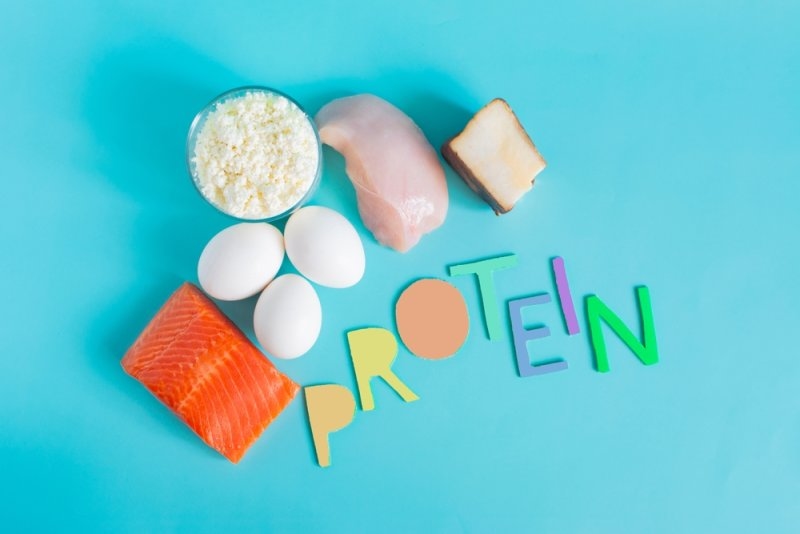
If your stomach’s already growling an hour after eating, it’s probably not a willpower issue. More often, it means your meal was missing a good protein source. Protein takes longer to digest than refined carbs, which means food stays in your stomach longer. That’s why you feel more satisfied after a protein-rich meal.
Protein does more than just curb hunger. It helps repair muscles, makes hormones, and keeps your body running every day. When you get enough protein in your meals—especially alongside carbs and fiber—your energy doesn’t crash because your blood sugar stays more even.
You don’t have to overthink it. Simple choices like eggs, yogurt, lentils, chicken, tofu, or fish work for most people and most budgets. It’s pretty easy to work these foods into your everyday routine. They keep you full and give you steady energy without any hassle.
Not all protein is the same when it comes to keeping you satisfied, though. Some options work better than others. It helps to pick options that also have fiber, healthy fats, and other nutrients if you want meals that last and energy that sticks with you all day.
The most useful high-protein foods are not always the ones with the highest protein number on the label. Foods that also provide fiber, healthy fats or important vitamins tend to keep meals more satisfying.
For example, Greek yogurt with berries is more filling than a sugary yogurt drink. Lentils, for example, have both protein and fiber, which is a great combo for feeling full. Eggs bring protein and fat to the table, which also helps stave off hunger.
Here are some practical options:
The best protein sources depend on your digestion, food preferences and overall calorie needs.
Breakfast is where many people undereat protein. A bowl of cereal or toast may provide quick energy but often leaves hunger returning quickly.
Adding protein rich foods changes the meal structure. Try eggs with whole-grain toast, Greek yogurt with oats, or tofu scrambled with vegetables. These combinations provide protein, carbohydrates and fiber together.
A simple example is two eggs, one slice of whole-grain toast and fruit. If you want something quick, try overnight oats with Greek yogurt and chia seeds. It barely takes any prep and fills you up for hours.
Don't Miss: Multi-Vitamin Benefits for Men, Women, and Overall Wellness
Animal-based protein sources generally contain all nine essential amino acids, making them complete proteins. Eggs, dairy, poultry and fish are especially convenient because they provide substantial protein in relatively small portions.
Chicken breast is lean and versatile. Salmon provides protein plus omega-3 fats. Eggs are affordable and easy to prepare. Speaking of Greek yogurt, it’s a solid choice for breakfast or a snack.
But don’t fall into the trap of eating the same protein every day. That gets boring, and it’s better for you to mix things up.
You’ve got plenty of plant-based proteins—beans, lentils, soy products, peas, nuts, and seeds. Sure, they might have less protein per serving than meat, but they pack in extra fiber and nutrients you don’t get from animal foods.
Lentils and chickpeas work great tossed into rice bowls, salads, or soups. Tofu is a chameleon—it soaks up flavors and can be baked, grilled, or tossed in a stir-fry. If you want something with more bite, try tempeh in a sandwich or a wrap.
Combining different plant proteins across the day can help provide a broad amino acid profile.
| Food | Approximate Protein | Best Use | Extra Benefit |
|---|---|---|---|
| Eggs | 6 g per egg | Breakfast | Convenient and versatile |
| Greek Yogurt | 15–20g per serving | Snack or breakfast | Calcium and probiotics |
| Chicken Breast | 25–30 g per 100 g | Lunch or dinner | Lean protein |
| Lentils | 9 g per cooked 100 g | Main meals | Fiber and iron |
| Tofu | 8–15 g per serving | Vegetarian meals | Plant-based protein |
| Salmon | 20–25 g per 100 g | Dinner | Healthy fats |
Values vary by brand, cooking method and serving size. The comparison is meant to help with meal choices, not replace nutrition labels.
Suggested Reading: Balanced Vegetarian Meal Plan Aerobic Training Support
Protein helps build muscle best when you pair it with regular resistance training and a healthy amount of food overall. Just eating more protein won’t build muscle on its own.
Muscles need amino acids to repair and adapt after exercise. That is why protein foods for muscle growth should be spread across meals instead of consumed in one large serving.
Useful choices include eggs, chicken, fish, dairy, tofu, tempeh and legumes. A person who exercises regularly may also benefit from including protein at breakfast, lunch, dinner and one snack.
For example, a post-workout meal could include grilled chicken with rice and vegetables or tofu with quinoa and beans.
How much protein you need depends on things like your age, body size, activity level, and personal goals. Someone who exercises frequently generally needs more protein than someone with a sedentary lifestyle.
Rather than obsessing over exact numbers immediately, start by checking whether each major meal contains a meaningful protein source. It’s easier to stick with small changes like adjusting your protein intake over drastic diet overhauls.
If you want to focus on muscle gain, talk with a dietitian or another qualified health professional—they can help you figure out exactly how much protein you need.
Protein foods work best to keep your energy up when you eat them with a balanced meal. Fiber helps you stay full longer by slowing down digestion, and carbs give you steady energy throughout the day. It’s all about balance.
Here are a few combos to make meals easy:
| Protein | Pair With | Meal Example |
|---|---|---|
| Eggs | Whole grains and vegetables | Vegetable omelet with toast |
| Chickpeas | Brown rice and salad | Chickpea rice bowl |
| Greek Yogurt | Fruit and oats | Yogurt breakfast bowl |
| Chicken | Sweet potato and greens | Balanced lunch plate |
| Tofu | Quinoa and vegetables | Stir-fry dinner |
Keeping your meals balanced this way means you’re not overloading on protein and forgetting other nutrients.
And if you need a snack between meals—workdays can be long—reach for Greek yogurt, roasted chickpeas, hard-boiled eggs, cottage cheese, or just grab a handful of nuts. They'll hold you over and keep you energized until your next meal.
The goal is not to snack constantly. A useful snack should provide enough nutrition to bridge the gap until the next meal without becoming a replacement for proper eating.
Also Read: Low Glycemic Snacks Endurance: Maintain Blood Sugar
Protein is the main ingredient in any meal plan, so having protein in the foreground makes eating easier. The key to feeling full is not on the next fad diet or quick weight loss fix, but on the smart food choices you make. All of these foods behave differently when it comes to eating habits and tastes.
The best approach? Keep it simple. Put a steady source of protein in your bigger meals, add some fiber-rich carbs and veggies, and pick foods you actually like to eat every day. Big results come from small changes, especially once you notice you’re not hungry again an hour after breakfast or lunch.
Yes, eating meals with enough protein during the day helps you feel fuller and could cut down on late-night snacking. However, the pattern of eating, not any specific food, is what is important.
Not usually. While powerful in certain cases, when you do not have time to cook or other whole foods, like chicken, beans, or eggs, offer the extended vitamins and minerals that powders would not have.
Most of the protein in foods is not destroyed by cooking. Proteins may undergo a change in structure when heated while maintaining the majority of their protein components.
Protein is an essential part of a balanced diet for all children, but there are some changes required for young children. Eat a variety of foods in meals instead of loading up on protein foods.
A protein-rich snack for the evening can help to fill up and give the protein needed for night-time recovery. It's useful or not depends on the needs of the individual and daily consumption.
This content was created by AI