

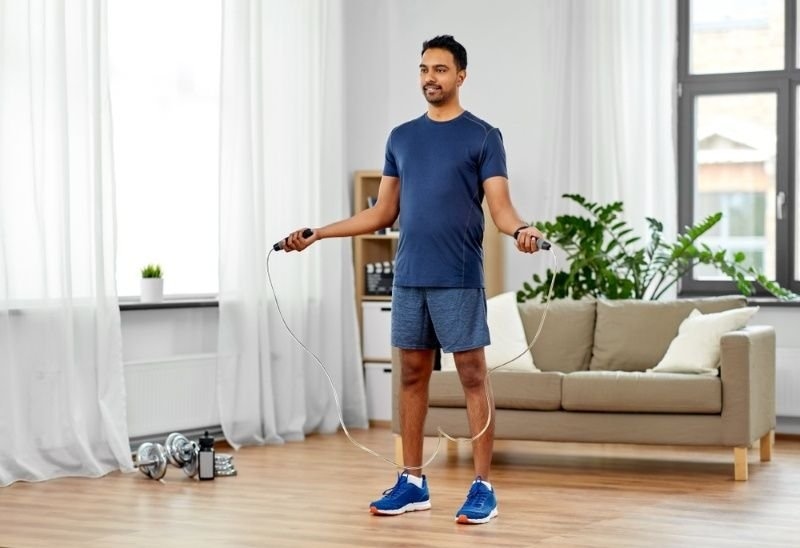
Low-impact cardio is ideal for achieving your fitness goals without stressing out your joints, knees, or ankles. It is a way to increase your heart rate, burn calories, and improve your cardiovascular endurance. Whether you want to shed a few pounds of body fat or are an active older adult, it is fun and effective in many ways.
Choosing an appropriate form of exercise for your required fitness level and its intended purpose is important. Most effective cardio exercises are excellent for increasing cardio endurance and muscle mass that contribute to lifelong good health without overstressing the body. A couple of the best low-impact cardio exercises are available here
Walking is one of the most efficient cardio exercises. It's quite easy, free to begin, and suitable for nearly all individuals of all levels. Brisk walking builds up cardiovascular endurance, strengthens leg muscles, and burns calories daily.
Hills or more speed can make walking workouts much more difficult while not placing extra stress on your body.
Brisk walking is considered a wonderful cardio exercise for seniors.
Cycling (both outdoors and indoors with a stationary bike) is an efficient cardiovascular exercise with zero heavy impact. Leg strength, cardiovascular health, and calorie-burning benefits can be attained with this form of cardio.
A lot of individuals often consider this a favorable option because resistance can be modified to suit both newcomers and experienced exercisers.
Swimming provides a full-body workout, and water supports your body weight during the activity. This can be one of the most impactful joint-friendly exercises for people of all ages with arthritis, chronic pain, or previous injuries.
It also benefits muscular endurance, heart health, and flexibility, making it an effective part of an exercise program.
With rowing, you work both your upper and lower body simultaneously during this exercise, which improves cardiovascular endurance while building strength. Benefits can be found in both arms, legs, core, and back since your entire body moves, but you remain upright.
Rowing is considered one of the most effective exercises, and it is relatively comfortable to achieve greater strength gains while staying healthy.
Elliptical machines simulate the actions of running and walking without the impact on the knees and ankles. The resistance is simple to adjust, as is the overall speed, in order to effectively meet the intensity goals you're working toward. Elliptical training is a good option for a form of cardio you can perform all year long.
You do not necessarily need expensive equipment or gym access to start an exercise plan. Low-impact cardio at home is excellent for maintaining a daily workout routine without time restrictions. Marching in place, knee raises, simple movements up and down stairs, squats performed on a regular mat, and step touches will raise your heart rate and are low impact, therefore not stressing your body's major joints.
It is efficient to form a circuit using the exercises that will raise your heart rate while being friendly to your joints. 20- to 30-minute circuits work best, and you're able to gradually make it longer or increase repetitions after your cardio fitness has increased. This method is affordable and convenient and will allow you to reach your desired cardio fitness level at any time.
Low-impact cardio for fat loss works by increasing the body's metabolism, therefore burning calories while also making you feel less run-down than high-intensity exercises. It is much easier for one to exercise at a lower intensity more frequently, as it's not detrimental to the body and less likely to cause a need for days in bed recovering.
A walk, a cycle, a swim, and a row may be effective low-impact cardio for fat loss as long as you make sure your eating habits are also healthy and that you incorporate strength training into your overall fitness program. High cardiovascular output over prolonged intervals of moderate intensity, while also avoiding joint injuries, can greatly aid fat burn, especially over more frequent times per week.
Low-impact cardio for seniors helps to increase physical mobility and encourage a feeling of well-being with everyday actions while staying safe from injuries. Muscles can gain strength while blood flow is improved, along with increasing endurance at a steadier pace so as not to overexert joints that have already endured much wear and tear.
Swimming, walking, gentle cycling, and water cardio can make wonderful exercise for seniors. Slow and steady will allow your body to adapt and build up to longer durations each session will last, and your joints will not have to adjust quickly to stress. An added bonus to regular exercise for seniors is improved mental well-being and a general sense of accomplishment.
Joint-friendly exercises are considered an excellent way to strengthen the muscles surrounding your joints and increase flexibility and range of motion (ROM). These workouts are helpful during routine exercises by causing less discomfort in movements and helping to prevent injury through repeated, high-impact activity.
Swimming, cycling, walking, rowing, yoga, and stretching are just some of the best joint-friendly exercises to integrate into your fitness plan. Overall posture will be significantly improved, and body stability will greatly increase, with overall better health being the main benefit. This form of activity will surely assist you in staying active all year round as your body continues to age with you.
Now, let’s explore some useful tips to get better workout results:
Further Reading: Kickboxing Cardio Routine: Increased Endurance & Strength
Perhaps not surprisingly, this cardio is one of the absolute best exercises you can do without overdoing it. Performing some kind of cardio several days per week (3 to 5 times) without drastically increasing injury risk, but strengthening capacity is the key!
Anything that constitutes a low-impact cardio program will benefit you as long as you commit to the routine and to eating healthily in combination with any low-impact moves.
Yes. Consistency in these exercises helps alleviate the stress you may be feeling, boosts your mood, and helps regulate your body's natural sleep rhythm. Engaging in exercise can be helpful for enabling you to fall asleep at night as well as enhancing overall sleep quality without putting undue stress on the muscles and joints.
Prior to engaging in this cardio, it is generally only necessary to consume light carbohydrates in addition to a small portion of protein. Some common examples of helpful foods that provide the necessary energy are fruit, yogurt, or a piece of whole-grain toast, which do not generally feel too “heavy.” You also don't want to get dehydrated.
Yes. Switching between walking, swimming, rowing, low-impact cardio at home, or cycling helps keep the workout interesting and will target different groups of muscles. Adding variety to your cardio regimen can also help prevent boredom in the long term and reduce the risk of over-training.
Several injuries result in people returning to this cardio because these activities have a light burden on their bones and joints. You’ll need to rely on instructions from your doctors or chiropractors to know what a safe level of activity is after an injury.
This content was created by AI